



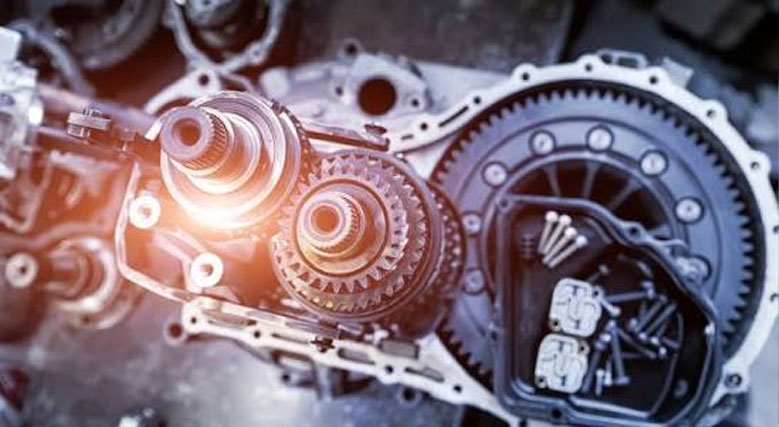
The Most Ignored Part Of Your Vehicle: Why Drivers Notice Transmission Problems Only After It Is Too Late
Ask drivers what parts of vehicles worry them. Engines appear quickly. Brakes appear quickly too. Tires.
Most People Think About Their Transmission Less Than They Realize
Ask drivers what parts of vehicles worry them. Engines appear quickly. Brakes appear quickly too. Tires. Batteries. Oil changes. Transmission systems usually enter conversations much later. This is interesting because drivers interact with transmissions constantly. Every acceleration. Every stoplight. Every highway merge. Every parking lot. People depend on them every day while barely thinking about them. That invisibility explains part of the problem.
Cars Train People To Ignore Things That Work
Vehicles create strange habits. When something works repeatedly, people stop noticing it. Nobody celebrates smooth shifting during ordinary commutes. Nobody talks about normal acceleration. People naturally focus attention elsewhere. This works perfectly until something changes. By then, drivers often realize they have not thought about transmissions for months or years.
Problems Rarely Arrive Dramatically At First
Many drivers imagine mechanical problems appearing suddenly. Reality often looks slower. The vehicle hesitates slightly. Shifts feel different. Something feels delayed. Maybe acceleration feels unusual occasionally. These changes rarely create panic because cars still drive. And because cars still drive, people continue driving them. Small problems stay small long enough to feel easy to ignore.
Humans Adjust Faster Than They Realize
Something strange happens when changes appear gradually. People adapt. A slightly delayed shift becomes normal. Sometimes someone else drives the vehicle and immediately notices differences. The owner may not. Familiarity changes perception.
Most Drivers Want Clear Answers Before Taking Action
People generally dislike uncertainty. Nobody wants unnecessary repairs.
Nobody wants unnecessary expenses either. This creates common behavior. Drivers wait for obvious signs. The problem is that transmissions do not always create obvious signs immediately. Many issues spend time living inside gray areas. Not completely normal. Not obviously broken. That space creates delay.
Drivers Usually Describe Problems Emotionally First
Listen carefully when people discuss vehicle concerns. Many say things like: "Something feels strange." "It drives differently now." "I cannot explain it but something changed." These descriptions matter. Most drivers are not transmission specialists. They experience vehicles through repetition. When repeated experiences suddenly feel different, people notice emotionally before technically.
Daily Driving Makes Detection Harder
Imagine wearing the same watch every day. Eventually you stop noticing it. Cars work similarly. Drivers experience vehicles repeatedly. The same routes. The same commutes. The same habits.
Waiting Feels Easier Than Investigating
Many delays make sense. Busy schedules. Work. Family routines. Hope that symptoms disappear. Nobody wants to discover expensive problems.
Unfortunately, uncertainty does not usually disappear because people postpone looking at it. Mechanical systems continue operating regardless. Sometimes that matters.
Preventive Maintenance Rarely Feels Urgent
This creates another challenge. Preventive maintenance feels boring. Nothing dramatic happens. No emergency exists. People naturally prioritize urgent things first. The difficulty is simple. By the time mechanical problems feel urgent, they are usually no longer preventive situations.
Perhaps Good Transmissions Create Their Own Problem
Maybe this explains why transmissions become ignored. They perform quietly. Reliably. Repeatedly. People stop noticing systems working correctly. Until one day the system becomes impossible to ignore. That moment feels sudden. Many times the changes started much earlier. Drivers simply became accustomed to them before realizing anything changed at all.